
Home page|Computers and laptops|Mobile phones|Other devices|Event viewer|Guides|Links|About
< Go back to the collection list
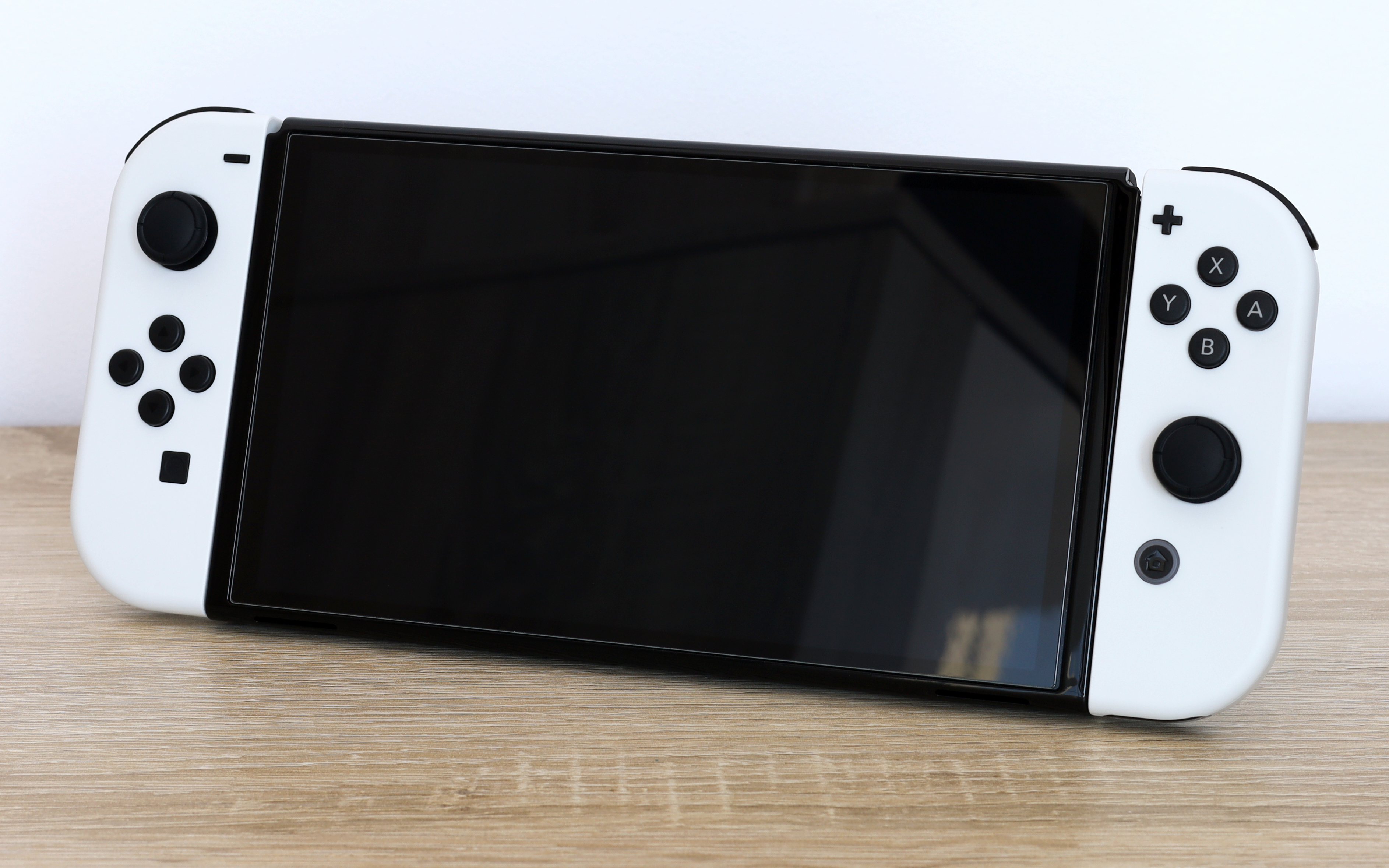
The second iteration of the Nintendo Switch, but with a slightly different design and a larger OLED screen.
In 2017, Nintendo unveiled the first mass-produced hybrid games console, which had been known as the "NX" during its development. Although, following the moderate success of the 3DS and the massive flop that was the Wii U, few believed the Switch would succeed (especially after the technical issues with the first units). However, both the hardware and its games sold exceptionally well and saved Nintendo financially. And, unfortunately, it also led to the Japanese company becoming overconfident and releasing the more expensive, harder-to-repair Switch 2. Naturally, when compared to its successor, the OLED model was omitted to make the latter look more attractive.
The Switch was designed as a portable console where the controllers, known as "Joy-Cons", can slide out of the device's side rails to function wirelessly like the Wii's "Wiimotes", and can be used with a dedicated grip as a single, full-sized controller. Additionally, they can be used horizontally as two separate small controllers, which is why the left controller does not have a D-pad. Thanks to this design (along with the built-in stand on the back of the console), two people can play anywhere. By placing the tablet itself in the Switch dock, you can play in Full HD resolution on a connected TV or monitor. Seeing what a good (and well-executed) idea the Switch turned out to be, the manufacturer created the Switch Lite, which does not support the dock, and its controllers have become an integral part of the console. Wait, what? Yes, a Switch without the ability to switch, but there's a method to this madness. The Lite is significantly smaller, with dimensions closer to those of a PSP, yet it supports almost the entire game library.
Following the launch of the Switch 2, Nintendo released an update for the Switch (1)/Lite/OLED, enabling multiplayer gameplay without the need for a game cartridge other than the host's, just as the DS series consoles were capable of years earlier.
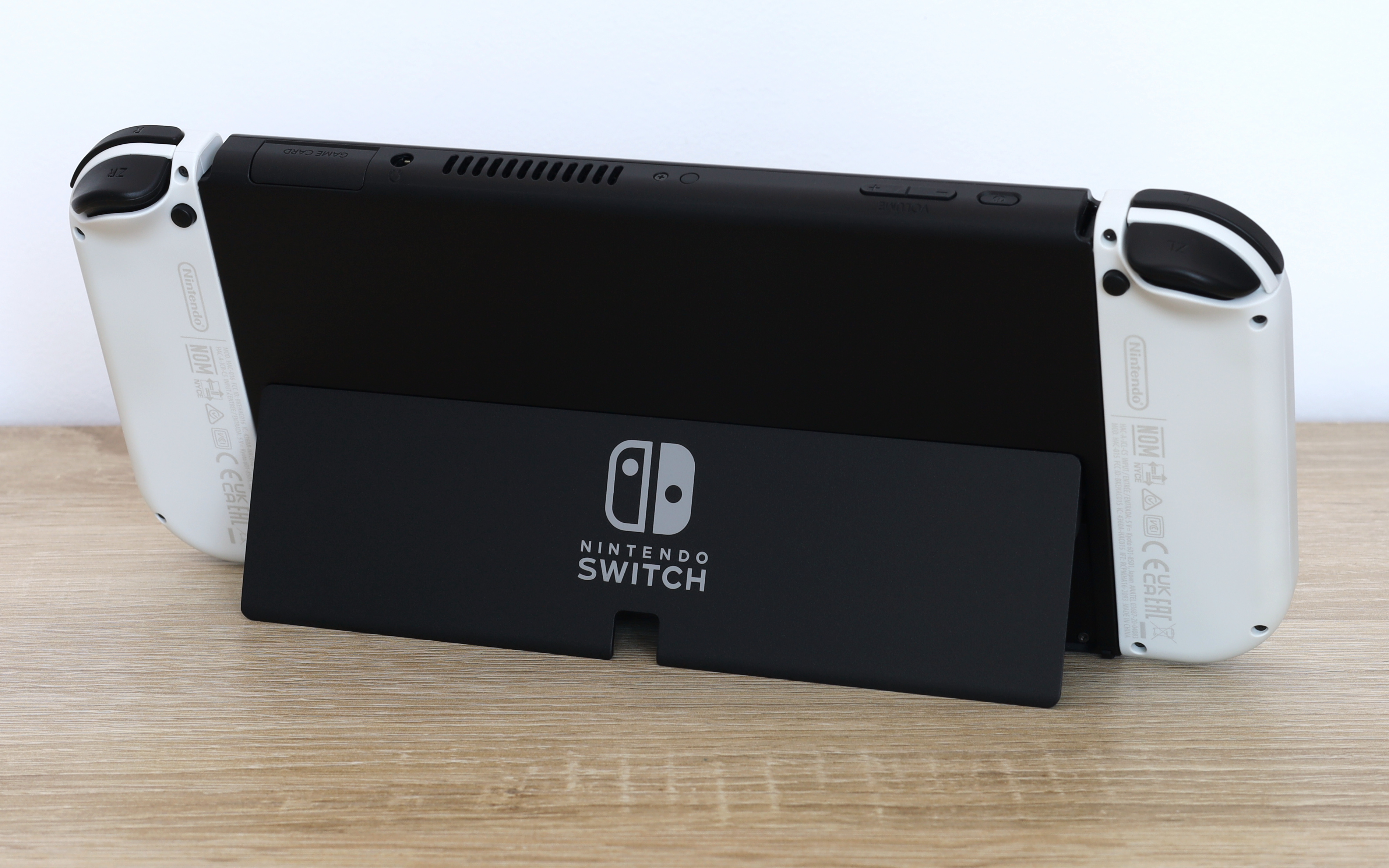
Going back to the OLED Switch - this version features a significantly different design and appearance compared to the original 2017 model and the updated version with a newer chipset, released in 2019. The casing is made of magnesium alloy, the speakers offer better sound quality, the stand on the back of the device is much more comfortable and stable, and the screen itself has increased in size, meaning it no longer has those unpleasantly large bezels. The supposed advantage is the OLED display technology, but personally I am not convinced by such screens due to their drawbacks, such as the grain effect, ghosting on completely black objects, or the tendency to burn-in. Admittedly, the contrast and brightness of the image are very good, but the colors can be slightly oversaturated, and switching them to "standard" in the settings results in unpleasantly washed-out colors.
The Joy-Cons included with the OLED model, according to the manufacturer, supposedly have more durable analog sticks, as a well-known problem with Switches (both V1, V2 and Lite) was the so-called "drift" effect, i.e. detecting movement when the player isn't even touching the controller. A popular fix is to replace the sticks with ones that use magnetic sensors (operating on the Hall effect principle) instead of potentiometers, which are prone to wear and tear.
Specifications:
Gallery
^ Go back to the top ^
Out of the blue, here comes Yazoo
© 2020-2026 Matlaw the Geek
Any rights conserved